Choosing the right treated wood starts with one important question: where will the wood be used?
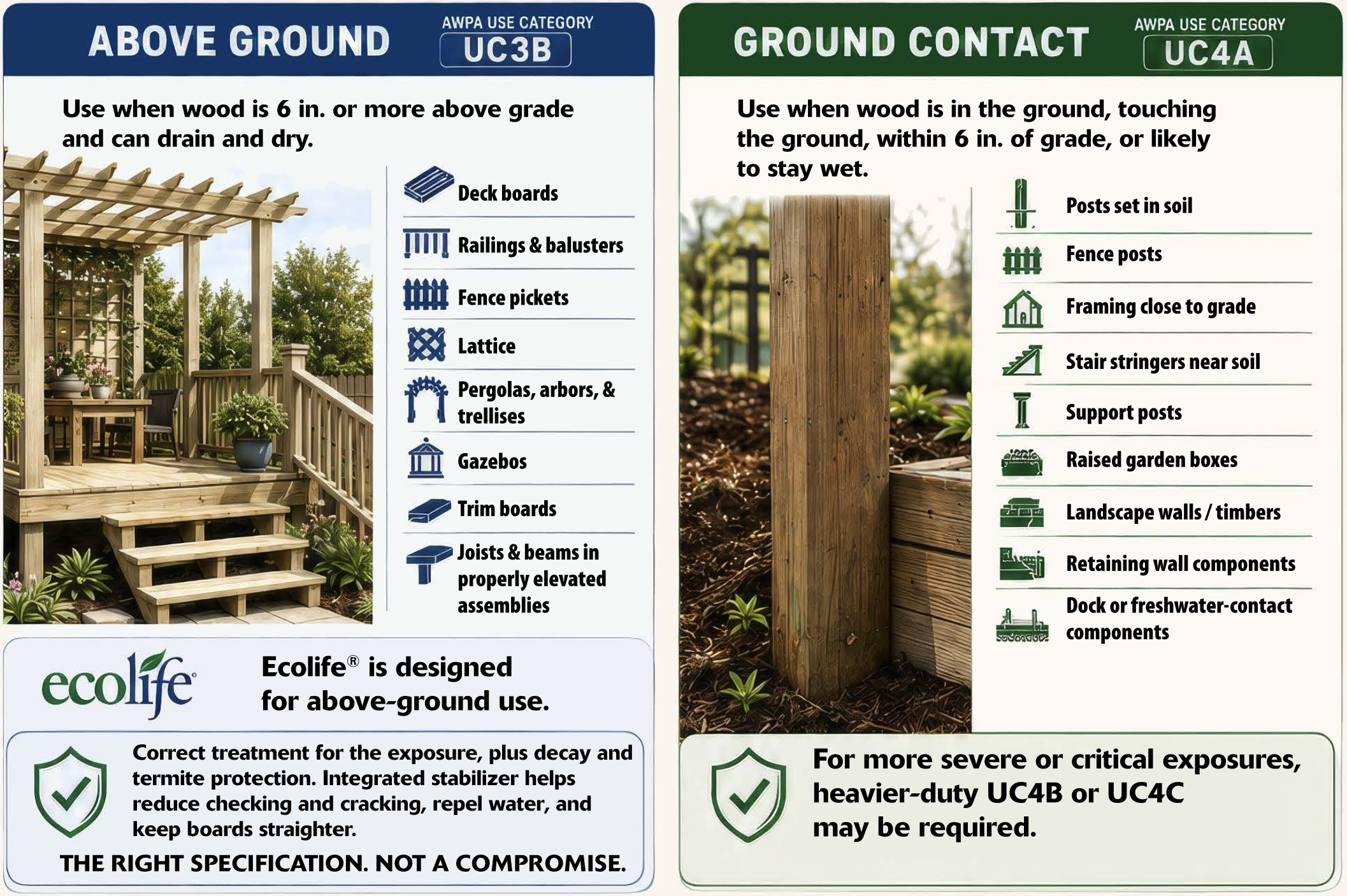
Above Ground and Ground Contact treated wood are both designed to protect wood from decay and termite attack, but they are intended for different exposure conditions. Using the right product for the right application helps your project perform properly, keeps material costs in line, and avoids unnecessary overtreatment. If you want a quick guide, download our Above Ground vs Ground Contact infographic here.
What is the difference?
Above Ground treated wood is designed for exterior applications where the wood is installed six inches or more above the final grade. These projects are exposed to sun, rain, humidity, and weather changes, but the wood is not in direct contact with soil or trapped moisture.
Ground Contact treated wood is designed for more severe conditions. It should be used when wood is installed in the ground, touching the ground, within six inches of the ground, or in applications where moisture or debris can remain against the wood for extended periods.
A simple rule of thumb: if the wood can dry out and stays at least six inches above grade, Above Ground treated wood is often the right choice. If the wood touches soil, sits close to soil, or is likely to stay wet, choose Ground Contact treated wood.
Understanding treated wood use categories
The treated wood industry uses the American Wood Protection Association Use Category System to match treated wood products to their intended exposure. For common exterior applications, UC3B applies to Above Ground, exterior use, while UC4A applies to Ground Contact, general use.
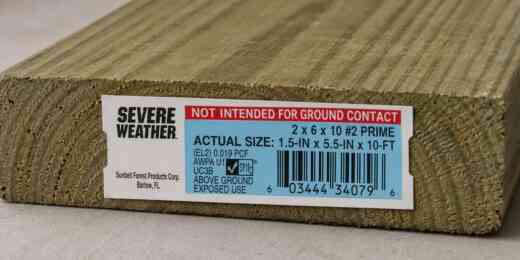
That is why the end tag matters. Before installing treated lumber, check the tag for the proper use category, preservative system, and application information. It is one of the easiest ways to confirm that the product matches the project. If unsure about the proper use, ask a professional builder or the building supplier where purchased.
When to use Above Ground treated wood
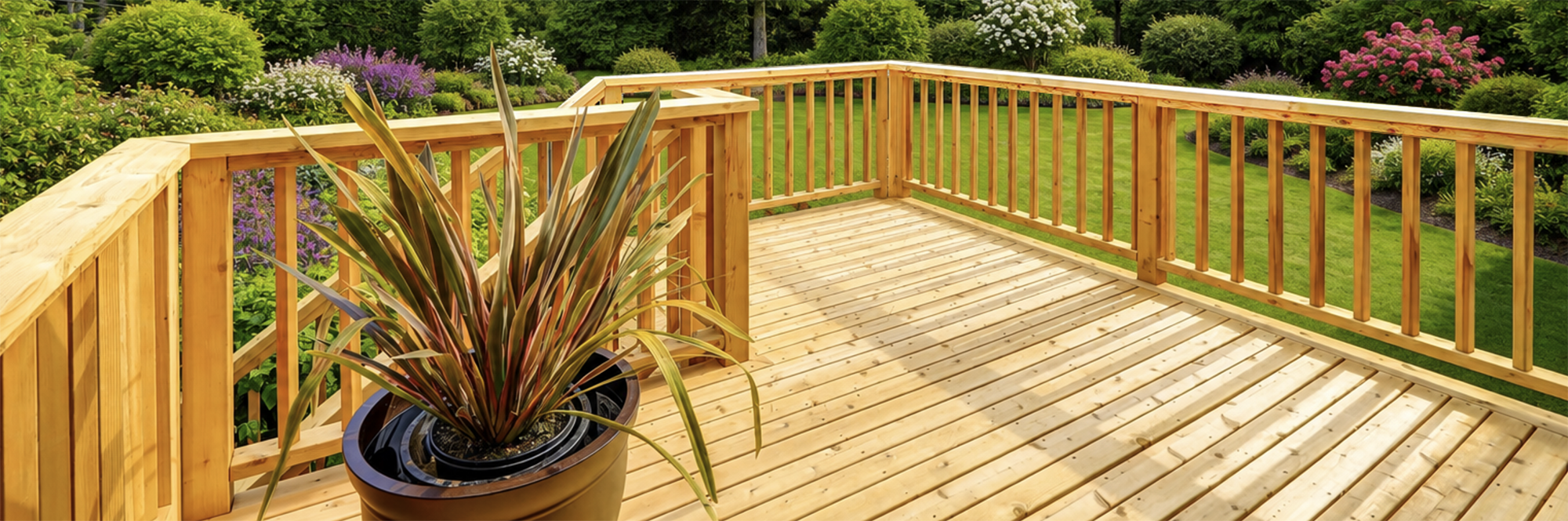
Above Ground treated wood is a smart, efficient choice for many outdoor living projects, including decks, railings, joists, beams, fence pickets, trim boards, arbors, trellises, porches, gazebos, and walkways that remain six inches or more from the ground.
For these applications, Above Ground treated wood is not a compromise. It is the correct specification. It provides protection for the exposure the wood will actually face without requiring a higher treatment level intended for ground contact or severe moisture conditions.
That is where Ecolife offers a clear advantage.
Why Ecolife Above Ground treated wood makes sense
Ecolife is Viance’s stabilized, weather-resistant Above Ground treated wood protection system. At Lowe’s, Ecolife is sold under the Severe Weather brand. At other participating retailers and lumberyards, it is available as EL2.
Ecolife or EL2, is designed for Above Ground applications six inches or more from the ground. It uses a non-metallic preservative system with an integrated stabilizer to help protect wood from fungal decay, termites, and the effects of weather exposure.
The integrated stabilizer is what sets Ecolife apart. It helps repel water, reduce cracking and checking, and keep boards straighter. That means outdoor projects can look better longer, with less early maintenance and fewer appearance-related concerns.
Ecolife/EL2 is also a cost-effective choice because it is treated for the exposure it is intended to face. Rather than overtreating Above Ground lumber for conditions it will not encounter, Ecolife uses the right amount of preservative for Above Ground performance. That precision helps reduce waste in the treating process and supports a better value for treaters, retailers, builders, and homeowners.
In short, Ecolife/EL2 is not “less treated.” It is properly treated for Above Ground use.
When to use Ground Contact treated wood
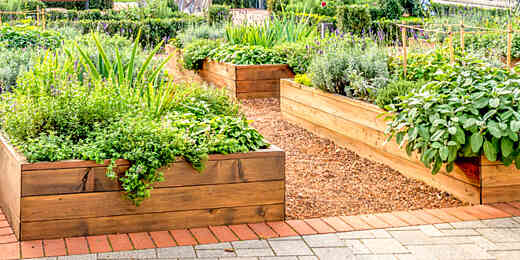
Ground Contact treated wood should be used when the exposure is more demanding. This includes posts set in soil, fence posts, structural supports close to grade, landscape timbers, retaining wall components, and areas where drainage or airflow may be limited.
Ground Contact treated wood is also the right choice when site conditions create a higher moisture risk, such as areas near mulch, vegetation, standing water, or debris that can hold moisture against the wood.
If the project is within six inches of the ground or the wood may remain wet for long periods, Ground Contact treated wood is the safer specification.
Choosing the right treated wood
The goal is not to use the highest treatment level for every project. The goal is to use the correct treated wood for the application.
Use Above Ground treated wood for properly elevated decks, railings, framing, fencing, and outdoor living projects six inches or more above grade. Use Ground Contact treated wood for soil contact, near-ground applications, and severe moisture exposure.
For many common backyard projects, Ecolife/EL2 Above Ground treated wood offers the right balance of durability, appearance, code compliance, and value. It helps builders and homeowners get the performance they need without paying for unnecessary overtreatment.
When your project is above ground, build with treated wood designed for above ground.
Sources:
- https://www.treatedwood.com/woodchat/when-to-use-above-ground-and-ground-contact-treated-wood
- https://www.treatedwood.com/products/ecolife
- https://www.treatedwood.com/learn/above-ground-and-ground-contact
- https://www.treatedwood.com/code-officials
- https://www.treatedwood.com/news/ecolife-treated-wood-2
- https://awpa.com/info/technical/homeowners
- https://awpa.com/info/technical/codes