Good stewardship does not have to end when treated wood leaves its original application. In many cases, that may simply be the beginning of its second life.
One of the environmental benefits of preserved wood is longevity. Protecting wood from decay and insects allows a renewable building material to remain useful longer in demanding environments. And when DCOI-treated wood eventually comes out of service, the first question does not necessarily have to be, “How do we dispose of it?”
A better first question is:
“Can this wood be safely and appropriately used again?”
Whenever its condition and original treatment allow it, reuse can extend the value already invested in the wood, reduce demand for replacement materials, conserve resources, and delay the creation of waste. EPA recognizes reuse and salvage of construction materials as ways to reduce waste and offset environmental impacts associated with producing new materials. [1]
Reuse First: Look for a Second Life
Removal from service does not automatically mean a piece of treated wood has reached the end of its useful life.
In fact, the American Wood Protection Association identifies reuse in a similar application as the most desirable alternative for discarded treated wood and recommends evaluating reuse and other recovery opportunities before committing material to land disposal. [2]
Utility upgrades, railroad maintenance, remodeling, bridge work, and other projects may remove wood that still contains useful material. The key is determining whether that material remains suitable for its next application.
Depending on its condition, treatment, and original use, products that can offer second-life opportunities may include:
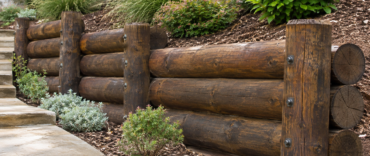
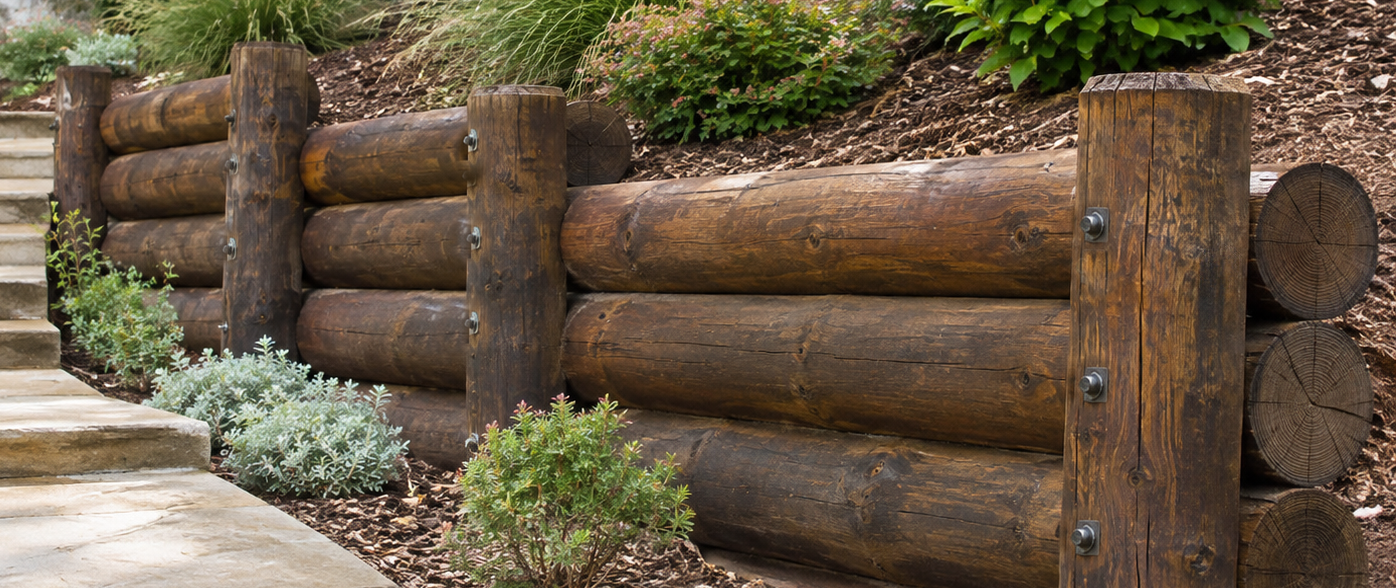
Utility poles and crossarms: Sound poles may be redeployed or considered for less demanding applications such as fencing, barriers, or other appropriate outdoor uses. The North American Wood Pole Council notes that reuse or repurposing can be a suitable alternative to disposal for poles removed from service. [3]
- Crossties and bridge timbers: Material removed from railroad or bridge service may have potential for comparable or appropriate nonstructural outdoor applications. Retirement from the original application, however, should not automatically be interpreted as approval for another structural use.
- Exterior glulam and laminated timbers: Sound members may have reuse potential, but structural condition, connections, and bond integrity should be professionally evaluated before reuse.
- Agricultural fence timbers: Serviceable material may continue to provide value in appropriate outdoor applications consistent with its original treatment and exposure.

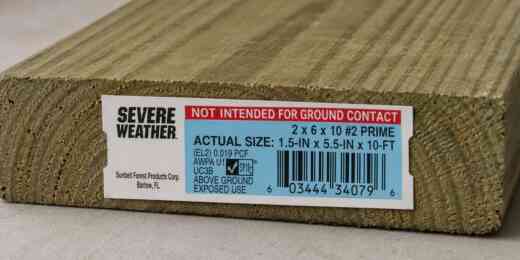
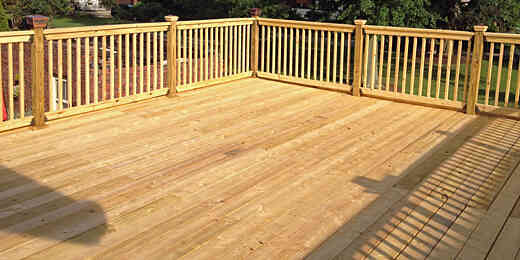
Ecolife® decking and other above-ground lumber: Sound boards may be candidates for appropriate above-ground reuse. Because Ecolife is standardized for above-ground applications, reused material should remain within uses consistent with that designation rather than being converted into ground-contact components. [4]
The goal is simple:
Get as much responsible service as possible from the wood before considering disposal.
An Environmentally Advanced Preservative, Handled Responsibly
DCOI is a highly effective, nonmetal-based preservative ingredient used to protect wood from decay fungi and wood-destroying insects. Viance reports that DCOI has very low water solubility, less than 5 ppm, along with high soil adsorption and resistance to leaching. [5]
DCOI also has an environmental story that reaches beyond wood preservation. The chemistry was originally developed by Rohm and Haas as the active ingredient in Sea-Nine™ marine antifoulant as an alternative to persistent organotin compounds. That innovation received EPA’s 1996 Presidential Green Chemistry Challenge Designing Greener Chemicals Award. [6]
For DCOI-treated wood products, Viance reports environmental advantages including reduced energy, fossil-fuel, and water use in production and lower ecotoxicity compared with alternative materials evaluated for certain industrial applications. [5]
Those advantages are important, but they do not mean that retired DCOI-treated wood becomes ordinary untreated lumber.
Treated wood is still treated wood.
That distinction allows us to recognize DCOI’s environmental advantages without losing sight of responsible material stewardship.
At the end of its useful life, it should continue to be identified, handled, reused, recovered, or disposed of as treated material. The complete wood product also matters, including coatings, carrier systems, adhesives, field treatments, or other materials that may be present.
Reworking Wood? Keep the Treatment in Mind
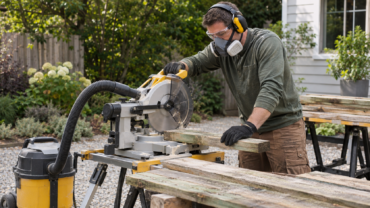
Cutting, drilling, or remanufacturing reclaimed treated wood deserves the same thoughtful handling applied when working with new treated lumber.
Follow applicable product safety guidance and use appropriate personal protective equipment. Sawdust, scraps, and other residual material should be collected and properly disposed of rather than added to mulch, compost, or ordinary yard-waste streams. [2] [7]
Cutting or resawing can also expose wood beneath the original treated zone. Any recovered material should remain appropriate for its proposed exposure and application, and applicable recommendations for field treatment of cuts and holes should be followed.
For utility poles specifically, the North American Wood Pole Council advises appropriate handling and personal protective equipment when poles are resawn and notes that sawdust and residuals must be properly managed. [3]
In short:
Reuse thoughtfully, not simply creatively.
When Reuse Is Not the Right Answer
Eventually, every building material reaches a point where another useful life is no longer practical.
Wood may be structurally unsound, badly damaged, contaminated with other materials, reduced to unusable pieces, or simply unsuitable for another appropriate application. When that happens, responsible disposal is the right next step.
For homeowners and contractors, the best place to begin is simple:
Contact your local solid-waste authority or disposal facility before hauling treated wood.
Tell the facility that you have preservative-treated wood and, when known, identify the preservative, product type, quantity, and any additional coatings or treatments.
AWPA notes that used treated wood that cannot be reused or recycled should be discarded in accordance with federal, state, and local requirements and that disposal requirements may differ for individuals and businesses. [2] The National Pesticide Information Center similarly advises that treated-wood disposal requirements differ among states and recommends contacting the appropriate state or local waste program for specific guidance. [7]
Depending on the location, quantity, and material involved, the appropriate destination may be an authorized municipal solid-waste landfill, an approved construction-and-demolition facility, a transfer station, or another permitted waste-management facility.
Calling ahead keeps the wood in the right waste stream from the start.
So, What Happens at the Landfill?
For wood directed to a modern lined municipal solid-waste landfill, disposal is much more sophisticated than simply digging a hole and covering waste with soil.
These facilities are engineered environmental-management systems designed to contain waste and manage the liquids that move through it. [8]
So while extending the useful life of wood is the preferred first step, proper landfill disposal provides a controlled final destination for treated wood that has truly reached the end of its serviceable life.
It is not the beginning of the environmental story. It is the final chapter of a material that may already have spent decades doing useful work.
What Not to Do With Retired Treated Wood
Being resourceful is a good thing. Sending treated wood into an inappropriate waste or recycling stream is not.
Unless a qualified receiving facility specifically accepts the material, treated wood should not be:
- Burned in an open fire, fireplace, woodstove, or residential boiler
- Ground into ordinary landscaping mulch
- Added to compost
- Used as animal bedding
- Mixed indiscriminately with clean-wood or yard-waste recycling
- Buried on-site as a disposal shortcut
- Repurposed in inappropriate food-contact applications
AWPA specifically advises against burning treated wood in open fires, stoves, fireplaces, or residential boilers and against using treated-wood shavings for animal bedding. [2] EPA and NPIC likewise advise against residential burning of preservative-treated wood and against using treated wood as mulch or compost. [7] [10]
Are There Alternatives to Landfill Disposal?
Potentially, yes.
AWPA recommends evaluating recycling and energy-recovery opportunities before land disposal where suitable options exist. [2] Some commercial or industrial facilities may be permitted to accept particular treated-wood streams for energy recovery or other specialized processing.
But this is very different from putting treated wood into an ordinary biomass or clean-wood recycling stream.
The receiving facility must confirm that it can legally and technically accept the specific material.
Viance submitted a petition to EPA in 2020 seeking a categorical non-waste determination for DCOI-treated wood used as fuel in qualifying combustion applications. EPA’s petition database records that request, and Viance does not foresee any reasons why EPA will not grant a non-waste determination. [11] The petition itself, however, should not be interpreted as blanket approval for DCOI-treated wood to be burned at any biomass or energy facility.
For users with substantial commercial quantities, it may be worthwhile to investigate approved energy-recovery or specialty processing facilities in their region.
For homeowners and smaller projects, an authorized local disposal facility will generally be the more practical starting point.
Plan for the Next Life Before the First One Ends
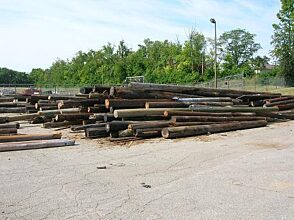
Some of the best end-of-life decisions can be made long before a piece of wood is removed from service.
Keep treatment information when available. Separate material by preservative and condition during removal. Identify pieces with legitimate reuse potential before demolition or disposal, and confirm the receiving facility before loading the truck.
Planning can help turn material that might otherwise immediately become waste into another useful resource.
DCOI-treated wood is designed around a simple environmental advantage: helping wood perform its job for a long time.
Responsible end-of-life management continues that philosophy.
Use it well. Reuse it when appropriate. Recover additional value if qualified options exist. When its useful life is truly complete, send it to an authorized facility equipped to manage it responsibly.
That is good stewardship from beginning to end.
Sources
[1] U.S. Environmental Protection Agency. Sustainable Management of Construction and Demolition Materials. EPA Sustainable Materials Management.
[2] American Wood Protection Association. AWPA Standard U1-24, Use Category System: User Specification for Treated Wood, Section 6, “Management of Used Treated Wood.”
[3] North American Wood Pole Council. Khademibami, L., and Shmulsky, R. End of Service Life Disposal of Preserved Wood Utility Poles. Technical Bulletin No. 22-E-303, 2022.
[4] Viance, LLC. Lowe’s Severe Weather® Treated Wood with Ecolife®. Product use and AWPA Use Category guidance.
[5] Viance, LLC. DCOI FAQs. TreatedWood.com.
[6] U.S. Environmental Protection Agency. Presidential Green Chemistry Challenge: 1996 Designing Greener Chemicals Award, Rohm and Haas Company, “Designing an Environmentally Safe Marine Antifoulant.”
[7] National Pesticide Information Center. Regulation and Disposal of Treated Wood. Oregon State University and U.S. EPA cooperative agreement.
[8] U.S. Environmental Protection Agency. Municipal Solid Waste Landfills. Summary of requirements under 40 CFR Part 258.
[9] U.S. Environmental Protection Agency. Requirements for Municipal Solid Waste Landfills (MSWLFs). Groundwater monitoring, closure, and post-closure requirements.
[10] U.S. Environmental Protection Agency. Chromated Arsenicals (CCA). Disposal and handling guidance for preservative-treated wood.
[11] U.S. Environmental Protection Agency. Petitions to the Office of Land and Emergency Management. Viance, LLC petition dated July 6, 2020, concerning DCOI-treated wood under 40 CFR 241.4.